When it comes to treating soft tissue injuries in personal injury cases, chiropractors face a unique challenge: how do you prove the full extent of an injury that doesn’t always show up on standard imaging? While X-rays and MRIs are valuable tools, they often fall short when it comes to revealing the dynamic, functional damage caused by incidents like whiplash or other trauma. That’s where advanced diagnostic tools like Digital Motion X-ray (DMX) step in—offering a game-changing solution for both patient care and case outcomes.
Why Soft Tissue Injuries Need More Than Traditional Imaging
Soft tissue injuries, such as ligament strains or muscle damage, are notoriously difficult to document. Static imaging can miss subtle instability or dysfunction that only becomes apparent when the body is in motion. For chiropractors working with personal injury patients, this gap in evidence can lead to undervalued treatment or skepticism from insurance adjusters and attorneys. Personal injury attorneys face the same gap: without objective evidence, the severity of their client’s injury comes down to the client’s word against a “normal” MRI.
DMX addresses this challenge head-on. By capturing real-time images of the spine and joints as they move, DMX shows abnormal motion between vertebrae, such as excess slipping or tilting, that can reflect ligament laxity. This objective evidence provides a clearer picture of the injury’s impact—something traditional diagnostics often can’t achieve.
How DMX Elevates Your Practice and Strengthens Cases
For chiropractors, integrating DMX into your approach doesn’t just improve diagnostic accuracy—it elevates your practice’s reputation. When your records include objective measurements of the injury, personal injury attorneys take notice. They rely on this kind of documentation to build their cases and to answer disputes over whether treatment was necessary.
Patients benefit too. With DMX, patients and their doctors see exactly where motion is abnormal, which helps focus care and helps patients understand their injury.
Partnering with Clear DMX for Seamless Results
You don’t need to transform your practice to bring advanced diagnostics to your patients—Clear DMX has you covered. We specialize in DMX testing. We use computerized radiographic mensuration (CRMA), which reduces the variability of hand-drawn measurements, and every measurement is compared with a published normal limit, so anyone reviewing the report can check the work. Our reports are uniquely crafted for everyone involved: written in plain language for patients, insurance claims adjusters, and attorneys, they clearly explain what the tests are, why they were necessary, and what the results reveal. By referring your personal injury patients to us, you tap into cutting-edge technology that sharpens your diagnoses and builds stronger partnerships with attorneys. Attorneys get objective evidence, your patients get a clear explanation of their injury, and your records get stronger.
Take the Next Step
In the world of personal injury, objective evidence is king. DMX gives chiropractors and attorneys objective measurements of injuries that still images can’t show. Ready to see how it can transform your practice and boost your referral network?
And when a patient reaches maximum medical improvement with lasting findings, our Long-Term Care Report gives you an updated permanent diagnosis and prognosis for your record and documents the future care your patient needs.
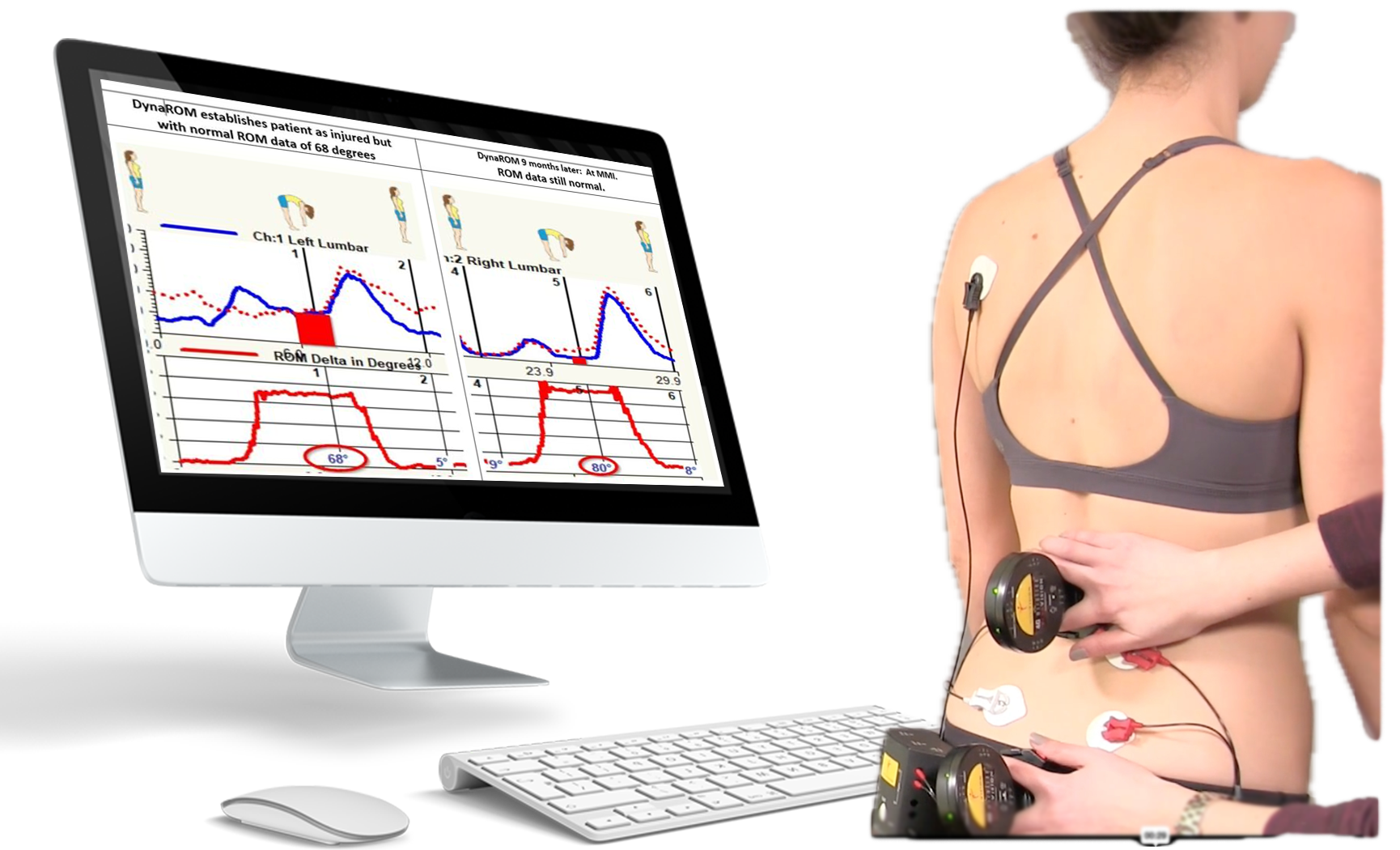
Call Dr. Schmitt at 443-775-7550 to learn how easy it is to start referring patients for DMX and DynaROM testing.








One Response
This is a masterpiece of clarity.