Personal-injury attorneys refer to the chiropractors whose records help their cases. What they look for is simple: clear documentation of the injury, objective findings, and a prognosis they can explain to an adjuster.
The gap in most PI files
Your exam notes record the patient’s complaints and your findings. X-rays and MRIs, taken with the neck still, often look normal after whiplash. That leaves the file open to the defense’s favorite line: “no objective findings.”What DMX and DynaROM add
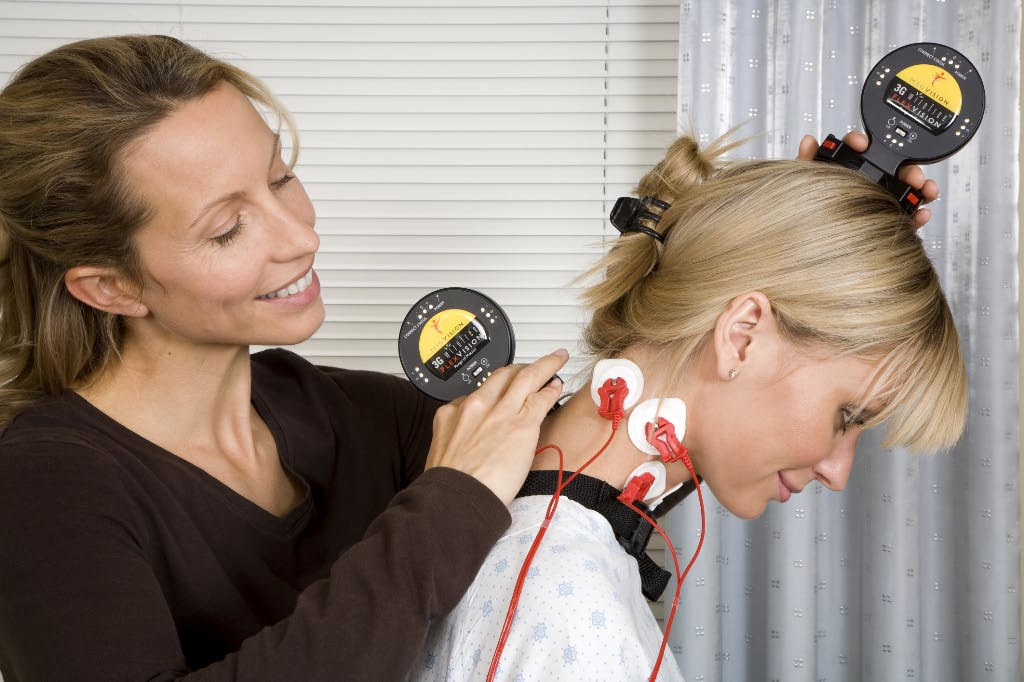
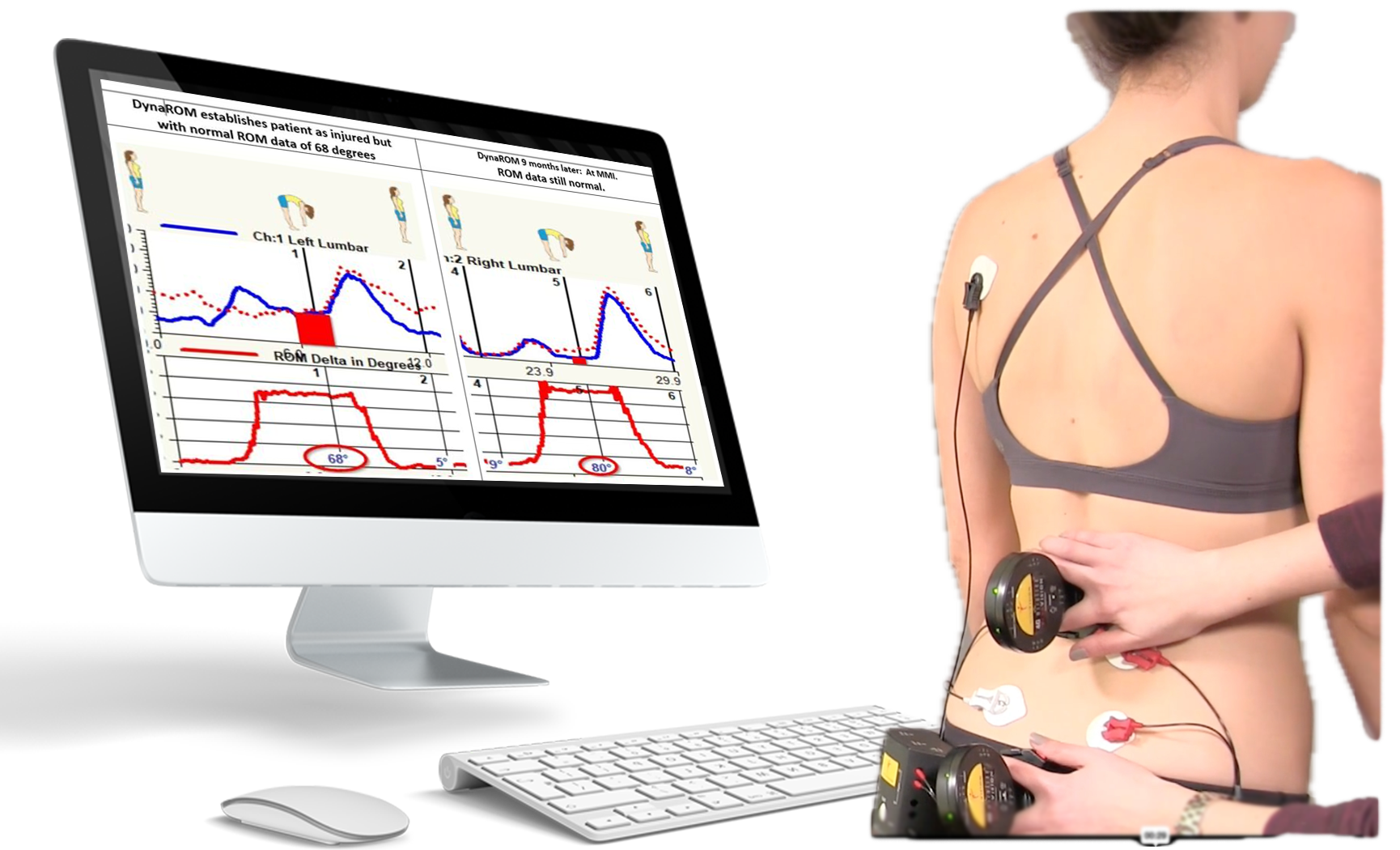
Digital Motion X-ray (DMX) records the neck in motion and measures each level against published normal limits. Motion beyond those limits after a whiplash injury is a recognized sign of ligament injury (Freeman 2020). DynaROM measures range of motion and muscle guarding. Together they give you objective findings that support your diagnosis, document why care was needed, and support your prognosis at maximum medical improvement.Why attorneys notice
Attorneys see a file with measured findings, marked images and a plain-English report that an adjuster can follow. Our reports state findings accurately, without overstatement, so they hold up when challenged. Doctors whose files consistently contain that kind of documentation become the ones attorneys call first.No equipment to buy
You don’t need to buy or run the equipment. Refer the patient to ClearDMX in Greenbelt, MD; testing takes about an hour, and you receive the reports within a few business days. You continue to direct the patient’s care.
A permanent diagnosis and prognosis, done for you
When your patient reaches maximum medical improvement with lasting findings, our Long-Term Care Report gives you an updated diagnosis of the permanent residuals and a prognosis, drafted for your consideration so you can edit it and add it to your record, along with research-sourced recommendations for ongoing care priced for the patient’s home ZIP code. It supports the future care you recommend, and it’s exactly the kind of documentation attorneys value.