Dr. Smith: a good exam, but nothing measured in motion
Dr. Smith does a thorough orthopedic and neurological exam and writes a solid report. The X-rays and MRI look normal, as they often do after whiplash, because they are taken with the neck held still. When the patient still hurts months later, the file has the patient’s complaints and Dr. Smith’s opinion, but no objective measurement that explains them. The defense calls it “soft tissue” and “subjective.”Dr. Jones: the same exam, plus objective measurements
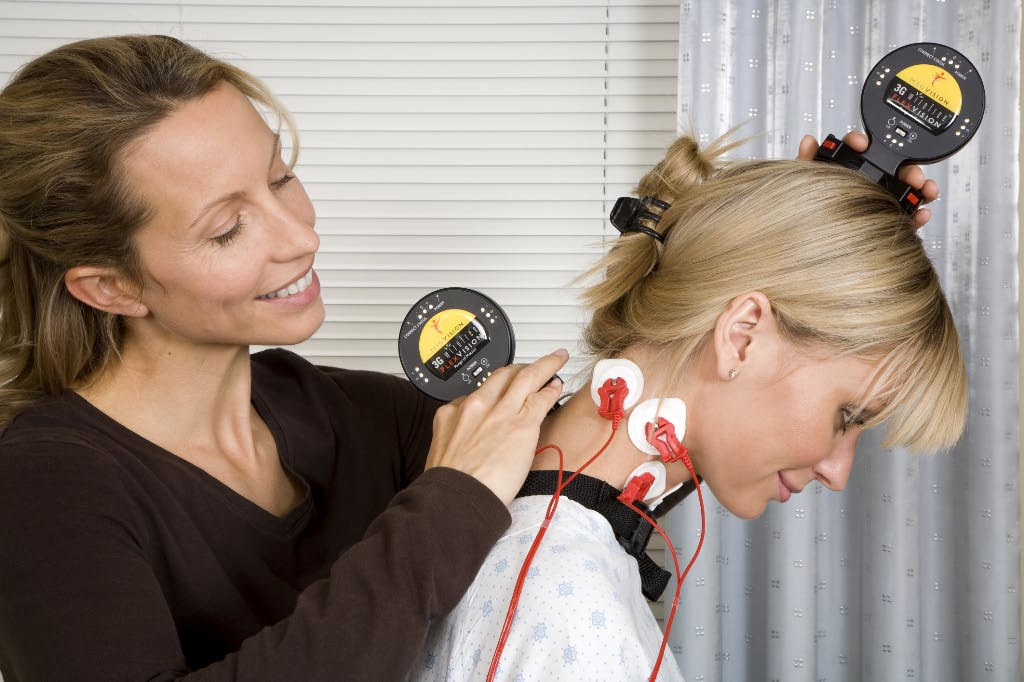
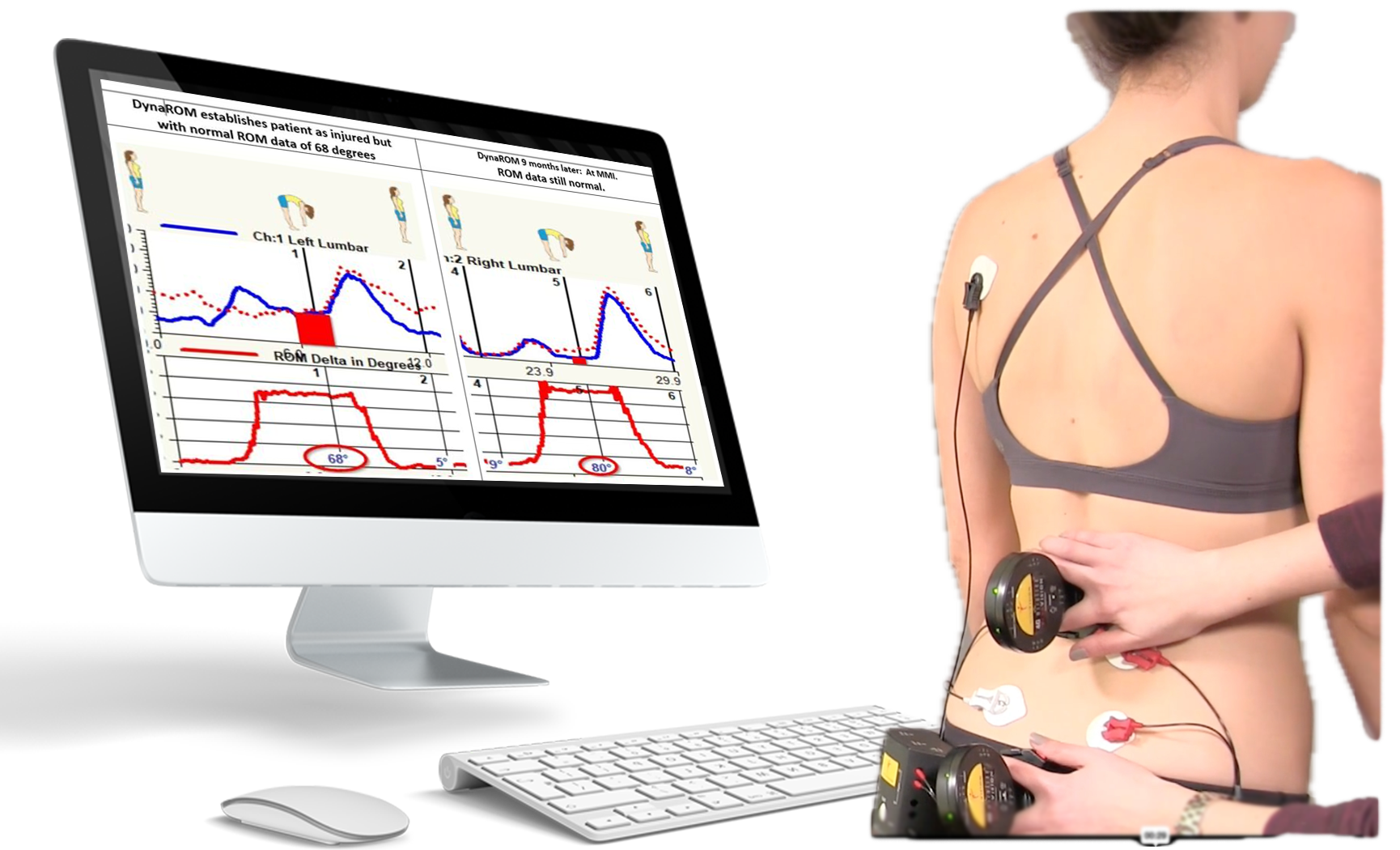
Dr. Jones does everything Dr. Smith does. When the exam suggests ligament injury, he also refers the patient to ClearDMX. The DMX study measures each level of the neck in motion and compares it with published normal limits. DynaROM measures range of motion and muscle guarding. If abnormal motion or guarding is found, his diagnosis can say where and how much, and at the end of care his prognosis rests on measured findings: abnormal motion still present at maximum medical improvement is expected to last (Frank 2004; Tominaga 2006).What the attorney sees
Both files describe a real injury. Dr. Jones’s file also contains marked images, measurements against sourced limits, and a plain-English report an adjuster can follow. At maximum medical improvement it gains an updated permanent diagnosis and prognosis, plus a Long-Term Care Report documenting future care and its cost. That is the kind of documentation attorneys look for, and it makes Dr. Jones the doctor they call.
What the patient gets
Dr. Jones’s patient sees the video and graphs of their own neck and understands why it still hurts. Patients who understand their injury tend to follow the care plan.The point
About half of people with whiplash still report neck pain a year later (Carroll 2008). Objective testing shows which of them have measurable abnormal motion or muscle guarding, and documents it accurately, in a form attorneys, adjusters and patients can understand. It doesn’t replace a good exam, and it can’t promise a case result. It makes a good exam much harder to dismiss.
Call Dr. Schmitt at 443-775-7550 to start referring patients. Sources: Freeman MD et al., Int J Environ Res Public Health 2020;17(5):1693. Knopp R et al., Ann Emerg Med 2001;38(1):31-35. Centeno CJ et al., Pain Physician 2007;10(5):667-672. Tominaga Y et al., BMC Musculoskelet Disord 2006;7:103. Frank CB, J Musculoskelet Neuronal Interact 2004;4(2):199-201. Carroll LJ et al., Spine 2008;33(4S):S83-S92. AMA Guides to the Evaluation of Permanent Impairment, 4th and 5th Editions.